Obs: post para maiores de 18 anos
Vocês já devem ter lido o texto que falo do restaurante do Jiquitaia. Dessa vez, escrevo sobre o bar de Marcelo Corrêa Bastos e sua irmã, Nina Corrêa Bastos, responsável pelos drinks da casa.
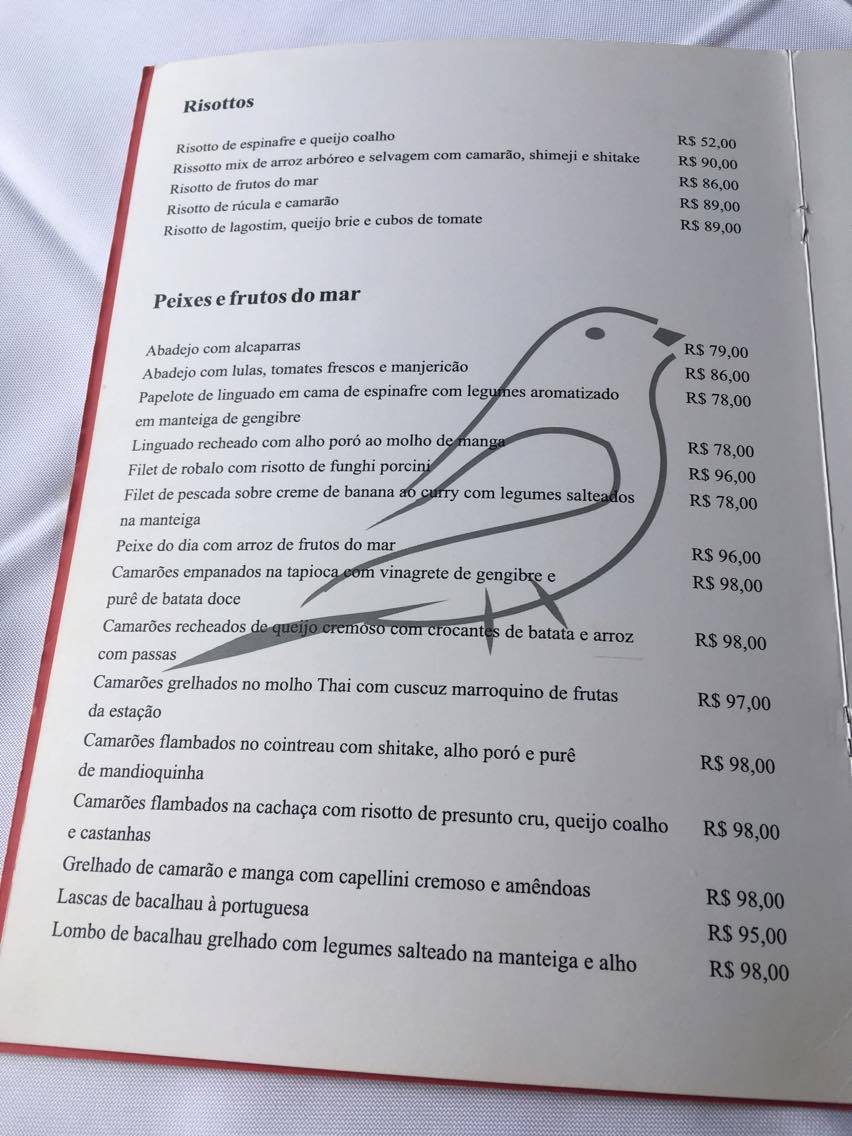
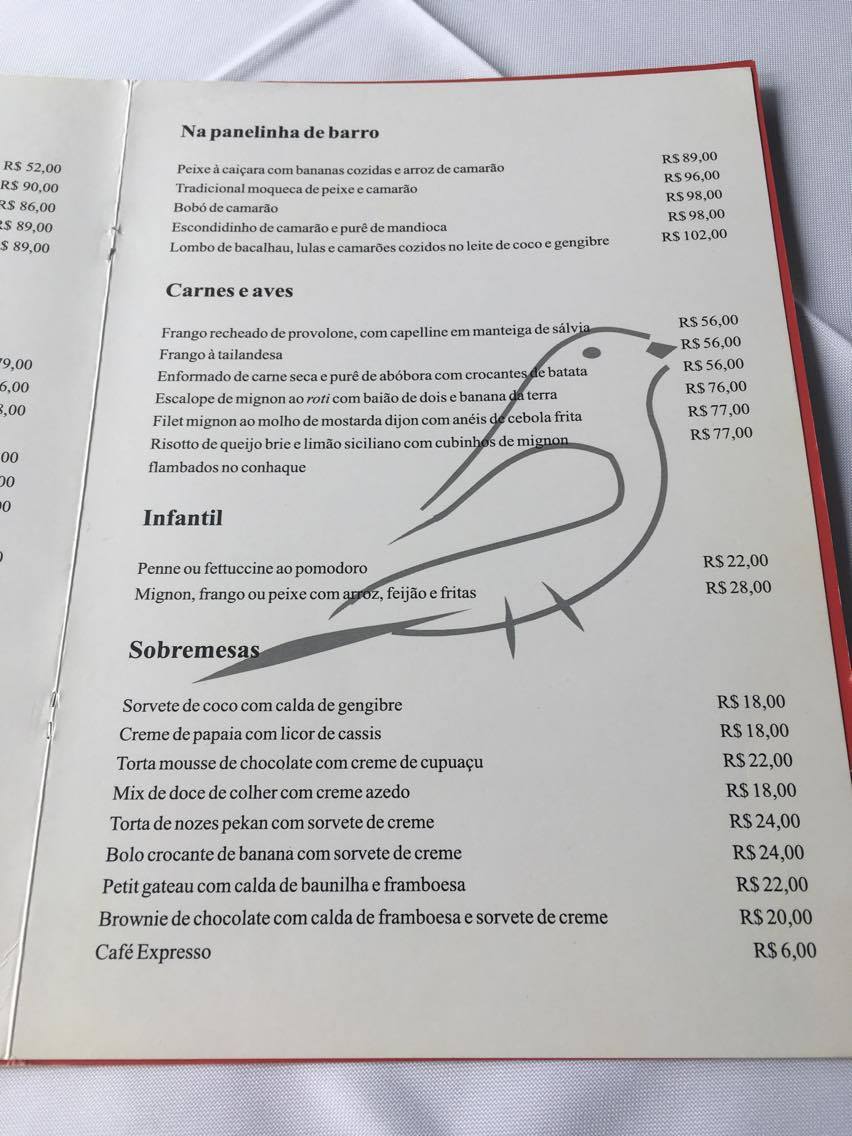
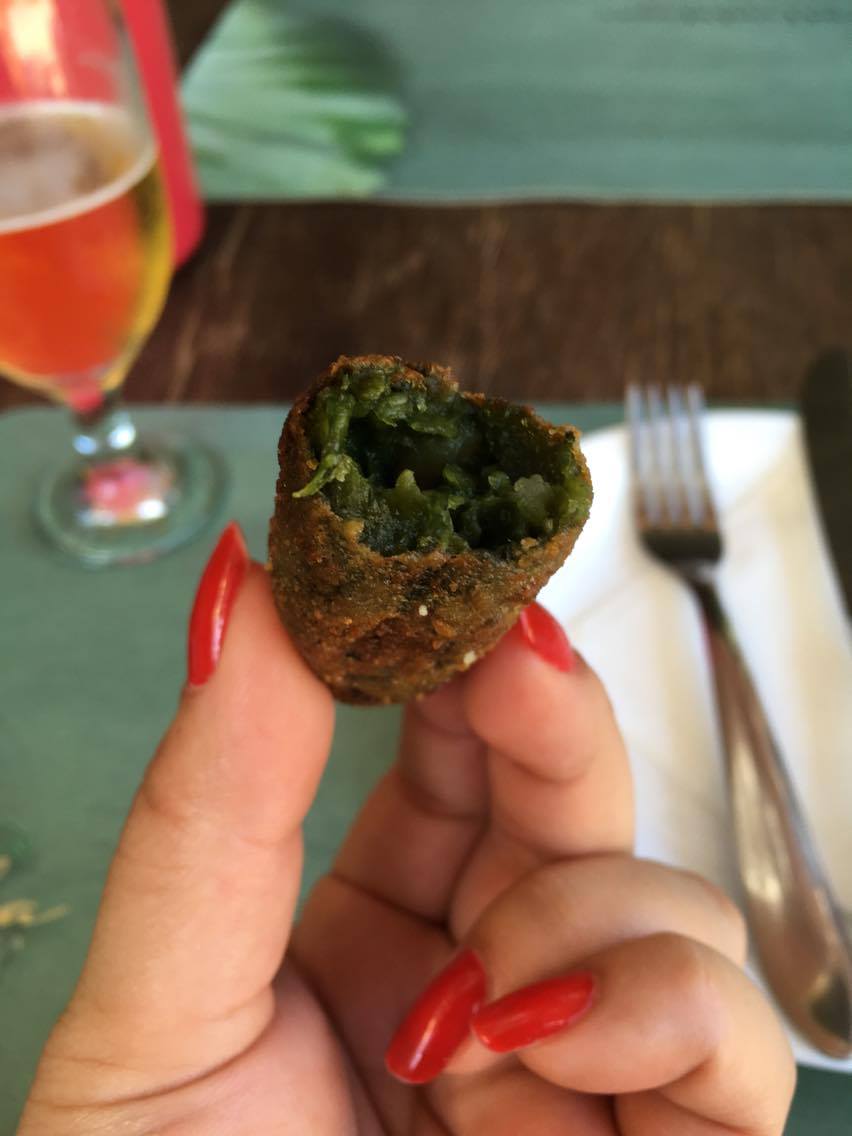
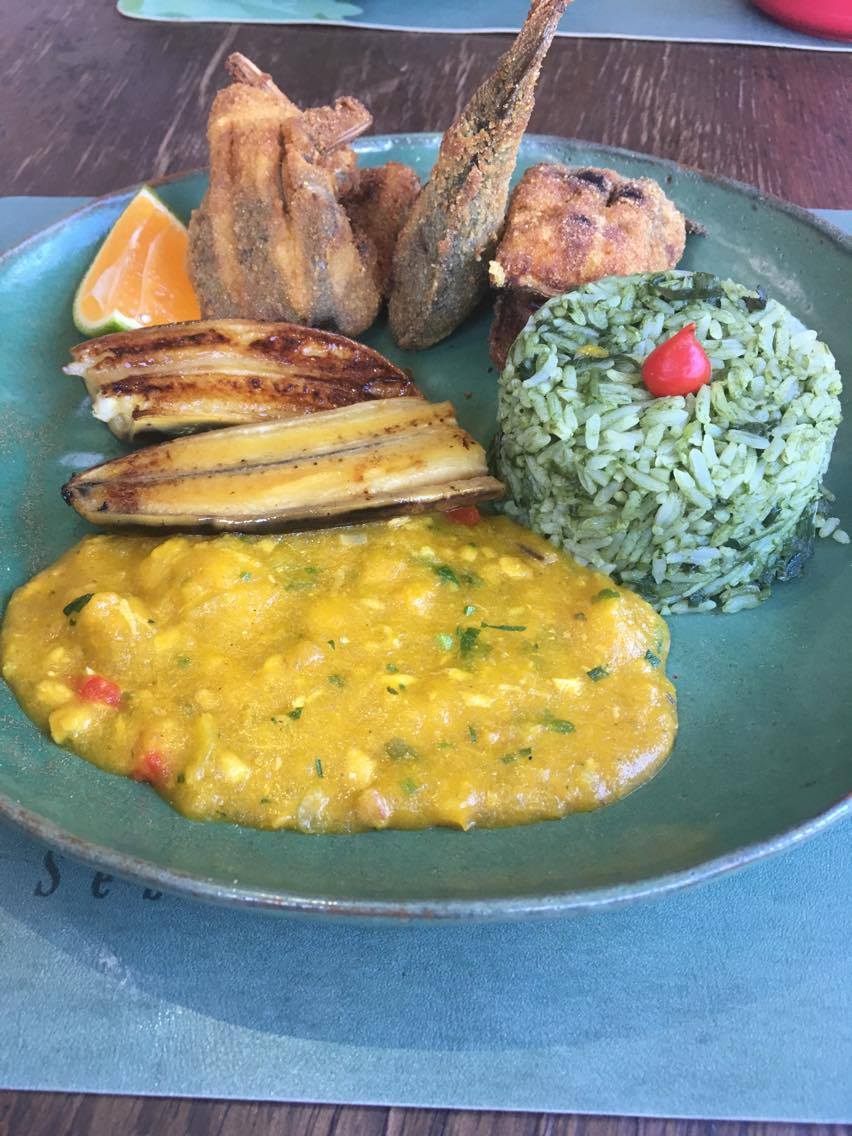
É possível encontrar sanduíches e porções para petiscar, diga-se de passagem, petiscos fora do comum. Talvez o mais parecido com a comida de boteco tradicional é o jiló frito e torresmo. Diga-se de passagem, alguns elementos mineiros muito bem executados em solo paulistano, coisa difícil de se achar por aqui!
O que pedir no Bar do Jiquitaia?
Entre as ruas próximas da Paulista, Frei Caneca e Augusta, lado centro, é possível ter uma bela experiência gastronômica. No local, o térreo é responsável pelo restaurante e ao subir as escadas é possível visualizar uma sala com mesa compartilhada e um pequeno balcão.
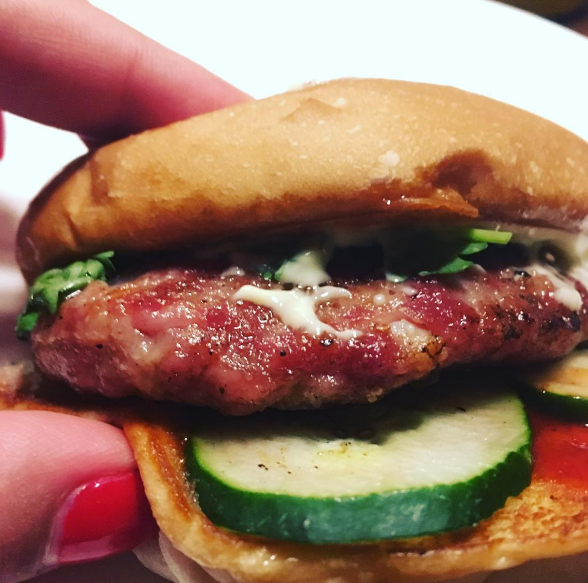
No cardápio, oferecem finger food como o excelente jiló frito e o saboroso hamburguer de porco. É o tipo de combinação que se lambe os beiços e um sonho meu seria ter esse tipo de comida vendida a larga escala, feito combo do Mcdonald’s! Certamente comeria sem titubear!
Para bebericar, recomendo o drink Jerezana, que começa amargo, depois cítrico e termina doce, nunca tomei algo tão surpreendente! Não sou especialista de drinks, mas confesso que foi um privilégio experimentá-lo!
https://www.instagram.com/p/BRhMTrNDO6O/?taken-by=romy.arita
O Negroni da casa é mais saboroso que o Boulevadier, e recomendo para paladares como o meu que adoram amargo. Robusto, seco e um drink digno da vida adulta amarga.
https://www.instagram.com/p/BPQtlWUAv26/?taken-by=romy.arita
Se quer algo mais doce e leve, vá com o drink entitulado Detox. Esse não tem couve e não tem nada de #NoPainNoGain. É só amor, de verdade! Bem leve, delicado e saboroso.
Uma outra pedida para paladares favoráveis ao doce, a excelente cerveja Gasoline Soul da Morada Etílica. Mesmo quem não gosta de cerveja, vai curtir essa:
https://www.instagram.com/p/BPREvBeAQfl/?taken-by=romy.arita
Aviso de antemão que pelo bar ser pequeno, com capacidade para cerca de 20 pessoas, recomendo chegar cedo. Mas, caso deseje um local mais tranquilo, desça as escadas. É permitido pedir o cardápio do bar no térreo do restaurante. Entretanto, o contrário já não é possível.
Fui em um aniversário e o comentário de adultos jovens é que o local era muito mais perfil de senhores e famílias, não muito adequado para celebrar em grupo. Entendo esse ponto de vista pois para quem não conhece e está acostumado a frequentar aniversários em bares ou balada, pode achar um local estranho para se festejar. Mas, posso falar? Nada como qualidade, boa conversa e excelente companhia…faz qualquer noite ficar mais animada comparada a uma balada-cara-com-gente-mal-educada-e-pessoas-que-te-empurram.
Por favor, menos carão e mais sinceridade! E para mim, o Jiqui (íntima) é um dos locais mais sinceros de São Paulo. Você investe (sim, porque comida gostosa é investimento!), e, sai feliz!
Contato
Jiquitaia
Rua Antonio Carlos, 268. CEP: 01309-010
Telefone: (11) 3262-2366
Horário de Funcionamento: Segunda à Sexta das 12h às 15h
Terça à Sexta das 19h às 23h30
Sábado das 12h às 23h30